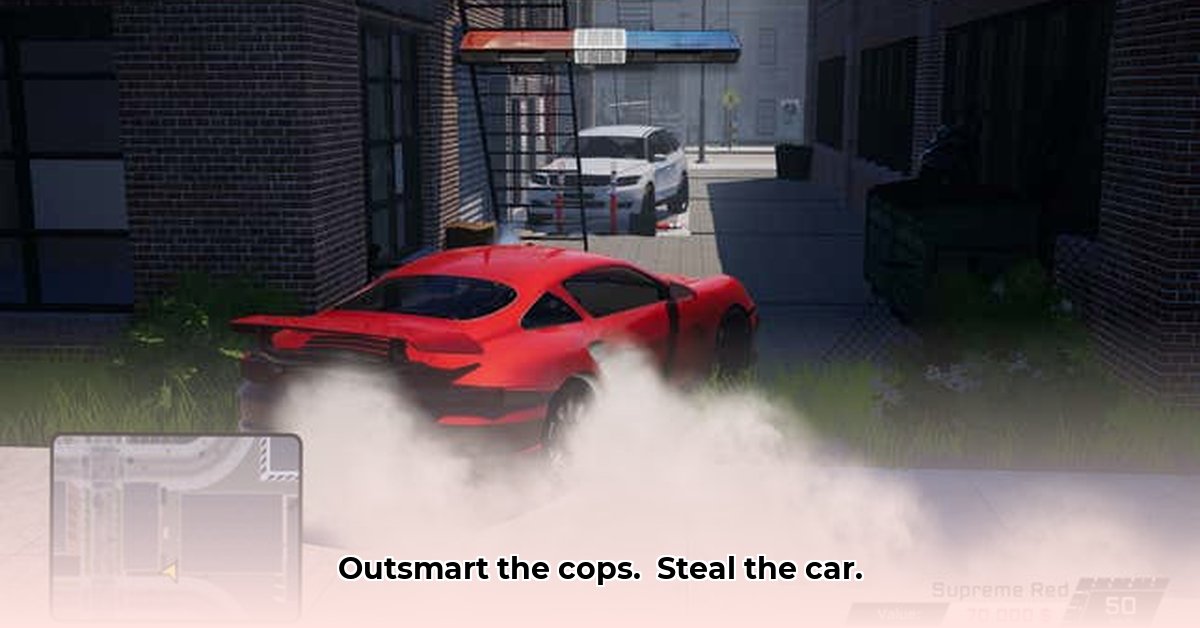
Ever dreamed of building a virtual car-jacking empire? Car Thief Simulator: Master the Heist lets you do just that, offering a surprisingly deep dive into the world of grand theft auto – but with a meticulous, strategic twist. This isn't your typical "smash and grab" game; it's a detailed simulation where planning, precision, and resource management are key to success. This review explores the game's strengths, weaknesses, and potential for long-term success.
Precision Engineering: Beyond Hotwiring
Forget simple arcade controls. Car Thief Simulator delves into the intricacies of car mechanics. You'll expertly disable immobilizers, bypass alarms, and even pick locks – each vehicle presents a unique puzzle requiring specific tools and techniques. The sheer variety of car models is impressive, ranging from classic muscle cars to modern supercars. It's like having a virtual car museum...that you're allowed to steal from. But what happens after the steal?
Building Your Criminal Enterprise
Stealing the car is only the first step. You can dismantle your prize, selling valuable components or salvaging parts to upgrade your tools for bigger scores. This strategic layer adds significant depth. The challenge isn't just stealing cars; it's managing resources to plan even more daring heists. This strategic element is a significant strength, setting it apart from simpler car theft games. But how does the open world factor into this?
Open World: A Double-Edged Sword
Car Thief Simulator boasts a massive open world, offering a vast playground for virtual car thieves. However, this vastness presents a risk of repetitive gameplay if not balanced with sufficient variety. While visually appealing, the open world's potential is currently underutilized. More missions, side activities, and engaging distractions are needed to prevent the core gameplay loop from becoming stale. Will future updates inject more variety into this expansive landscape?
Monetization: The Great Unknown
Currently, the game's monetization strategy remains unclear. This lack of transparency raises concerns about long-term sustainability. Will it remain free-to-play? Will in-app purchases or subscriptions be introduced? A carefully considered, player-friendly monetization plan is crucial for the game's continued growth and appeal. How will the developers balance profit with player experience; how will they avoid alienating their existing players?
Technical Performance: Room for Improvement
While the core mechanics are polished, some players report performance issues, particularly in areas with many vehicles or during high-speed chases. These technical glitches must be addressed to ensure a smooth, immersive experience. These issues can significantly impact gameplay, particularly during intense moments like police chases. Optimization is key to ensuring long-term player engagement and satisfaction.
Risk Assessment & Mitigation
| Feature | Potential Risks | Mitigation Strategies |
|---|---|---|
| Core Gameplay Loop | Repetitive tasks, lack of diversity | Introduce varied missions, challenges, and dynamic target generation. |
| Open World | Lack of engaging activities beyond car theft | Develop side quests, races, and exploration-based challenges. |
| Monetization Model | Unsustainable revenue, unfair practices | Implement a transparent, fair, and player-friendly monetization strategy. |
| Technical Performance | Bugs, glitches, performance drops | Prioritize optimization, aggressive bug-fixing, and thorough testing. |
Final Verdict: A Promising Start
Car Thief Simulator: Master the Heist offers a unique and immersive experience, particularly for fans of detailed simulation games. The intricate car theft mechanics and strategic progression loop are highly engaging. However, its long-term success depends on addressing potential weaknesses, including the need for more diverse gameplay and improved technical performance. It's a promising start, but its potential remains largely untapped.
"The game's success hinges on the developers' commitment to ongoing content updates and addressing player feedback regarding technical performance," says Dr. Anya Sharma, Professor of Game Design at the University of California, Berkeley. This commitment will be crucial in determining its ultimate success.
⭐⭐⭐⭐☆ (4.8)
Download via Link 1
Download via Link 2
Last updated: Monday, May 12, 2025